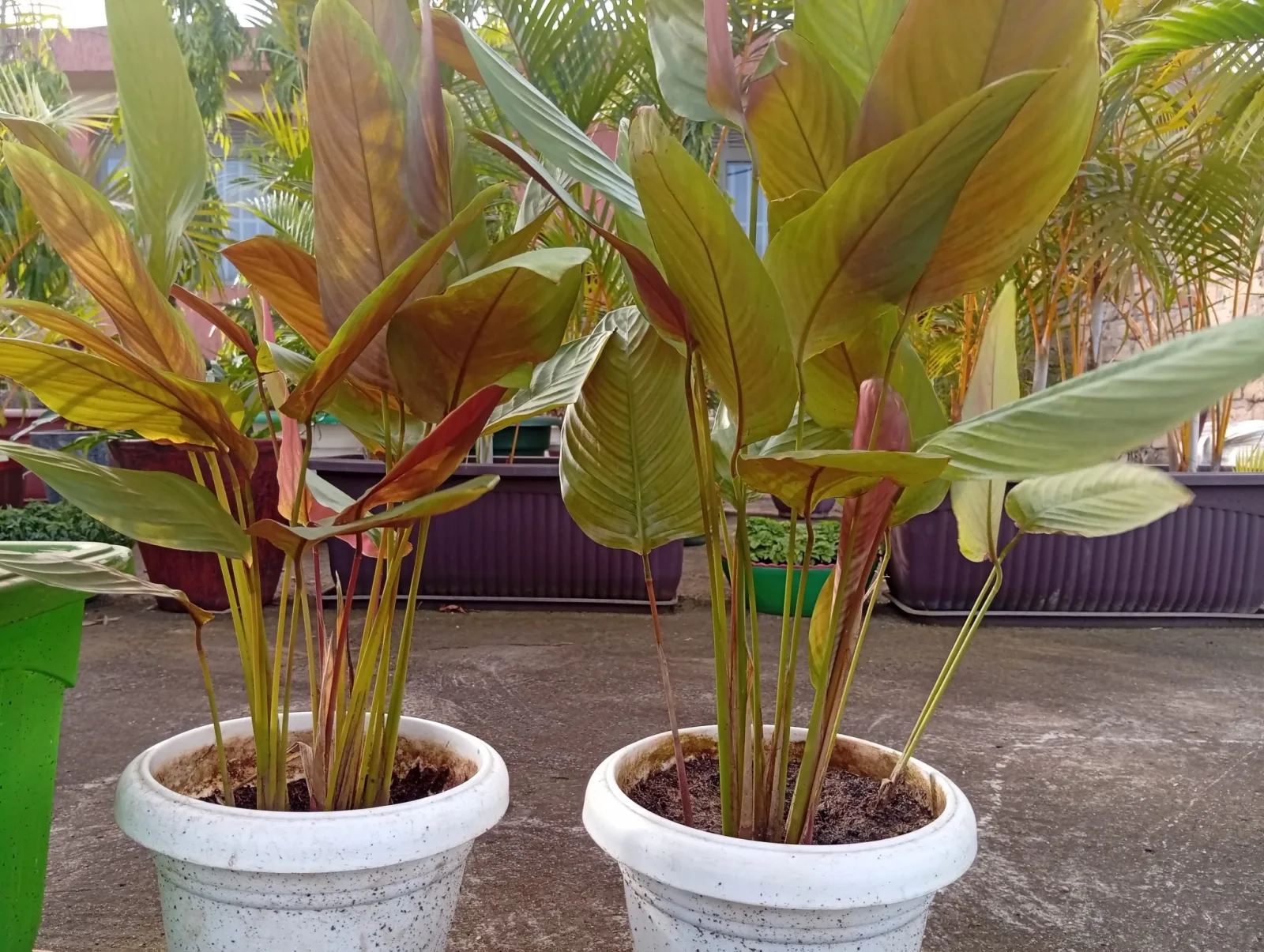
The Alluring Anthurium: Tips for Thriving Growth and Care
Learn how to care for the vibrant Anthurium plant, ensuring it flourishes beautifully in your home.
Introduction to Anthurium
The Anthurium, also known as the Flamingo Flower, is a popular houseplant prized for its glossy, heart-shaped leaves and stunning, long-lasting blooms. Native to tropical regions, this plant brings a touch of the exotic into your home. While it may seem daunting to care for, a little knowledge and attention can keep your Anthurium thriving.
Ideal Growing Conditions
Creating a suitable environment is key to fostering healthy growth in your Anthurium. Here are the essential conditions it needs:
- Light: Prefer bright, indirect light. Too much direct sunlight can scorch the leaves, while too little light may hinder blooming.
- Temperature: Thrive in temperatures between 65°F and 80°F. Avoid cold drafts and frost, as they can harm the plant.
- Humidity: High humidity is ideal. Aim for levels of 50-70%. Regular misting or placing a humidifier nearby can help provide the moisture it craves.
Watering and Soil Needs
Watering correctly is essential for the health of your Anthurium. Follow these guidelines:
- Water when the top inch of soil feels dry to the touch, around once a week.
- Ensure the pot has drainage holes to prevent water from accumulating, which can lead to root rot.
- Use a well-draining potting mix, such as a blend of peat, perlite, and orchid bark, to provide the right balance of moisture and aeration.
Fertilizing for Blooms
To encourage vibrant blooms and healthy growth, regular fertilizing is important:
- Use a balanced, water-soluble fertilizer every few weeks during the growing season (spring and summer).
- Reduce feeding in fall and winter when the plant's growth slows.
- Always follow the manufacturer's instructions regarding dilution and application frequency.
Pest and Disease Management
Like any plant, Anthuriums can encounter pests and diseases. Here’s how to keep them at bay:
- Inspect regularly: Look for spider mites, aphids, and mealybugs. If found, treat them with insecticidal soap or neem oil.
- Moisture control: Watch for signs of overwatering, which can lead to root rot. Ensure proper drainage and avoid letting the plant sit in water.
- Fungal issues: Keep the leaves dry when watering. If you notice black spots, consider changing your watering routine and improving air circulation around the plant.
Repotting Your Anthurium
As your Anthurium grows, it may need repotting to provide fresh soil and room for growth:
- Every 1-2 years, check if the plant is root-bound by looking for roots growing from drainage holes.
- Choose a pot that is 1-2 inches larger in diameter to accommodate growth.
- Repot in the spring, using fresh potting mix, and water thoroughly after repotting.
Conclusion
With proper care and attention, your Anthurium can flourish, filling your space with its stunning foliage and captivating blooms. Remember to provide the right lighting, humidity, and watering routine, and enjoy the vibrant beauty it brings to your home.