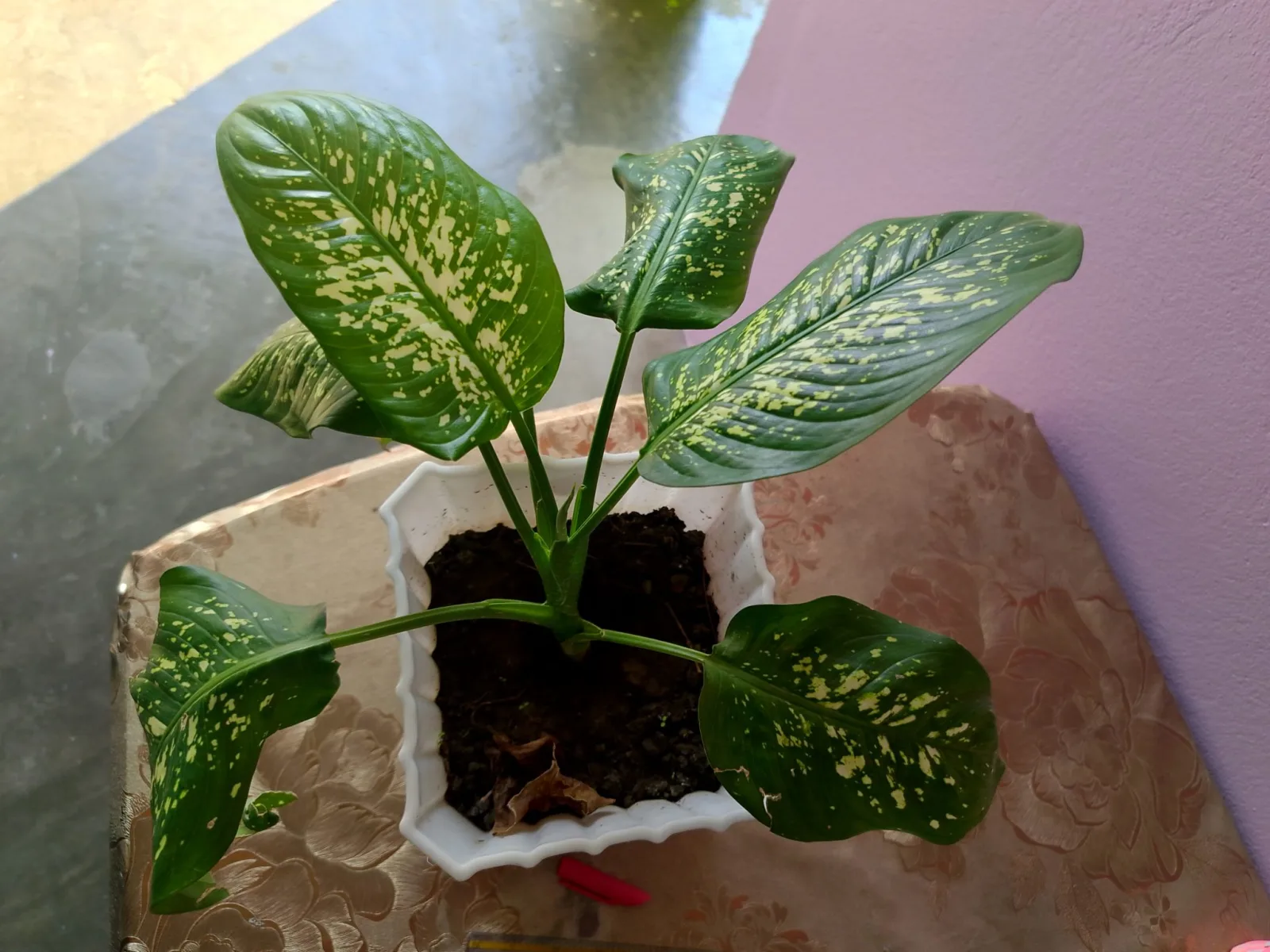
The Elegant Snake Plant: Your Ultimate Care Guide
Discover everything you need to know about the Snake Plant, from care tips to propagation techniques.
Introduction to the Snake Plant
The Snake Plant, also known as Sansevieria or Mother-in-Law's Tongue, is a popular choice among houseplant enthusiasts. Known for its striking appearance and low maintenance needs, this hardy plant can thrive in a wide range of conditions, making it an excellent addition to any home.
Why Choose a Snake Plant?
- Air Purification: Snake Plants are known for their ability to filter toxins from the air, improving indoor air quality.
- Low Light Tolerance: They can prosper in low light conditions, making them perfect for darker rooms.
- Low Water Requirements: This plant doesn't require frequent watering, making it ideal for busy individuals.
Ideal Conditions for Growth
To ensure your Snake Plant thrives, consider the following conditions:
- Light: Snake Plants can adapt to various light conditions but prefer indirect sunlight.
- Temperature: They thrive in temperatures between 60°F and 80°F (16°C to 27°C).
- Humidity: The Snake Plant is fairly tolerant of different humidity levels, although it prefers moderate humidity.
Watering and Feeding
Watering is crucial for plant health, but the Snake Plant is forgiving if you forget. Here’s how to manage it:
- Water Sparingly: Let the soil dry out completely between waterings. This could be every 2-6 weeks, depending on your environment.
- During the Growing Season: Fertilize with a balanced houseplant fertilizer every 4-6 weeks in spring and summer.
- Avoid Overwatering: Too much water can lead to root rot, so it’s better to under-water than over-water.
Propagation Techniques
Propagating your Snake Plant can be a fun project. Here are two methods to try:
- Leaf Cuttings: Cut a leaf into sections, allow them to callous over for a few days, then place them in moist soil.
- Offsets: Remove offset pups that grow around the base of the plant and replant them in their own pots.
Common Pests and Issues
While Snake Plants are resilient, they can fall victim to pests or diseases. Monitor for:
- Spider Mites: These tiny pests can be managed by increasing humidity or using insecticidal soap.
- Mealybugs: Wipe the plant with a cotton ball soaked in alcohol to remove them.
- Root Rot: Ensure proper drainage to prevent this issue, typically caused by overwatering.
Conclusion
The Snake Plant is an outstanding choice for anyone looking to add greenery to their home without the hassle. With minimal care and attention, you can enjoy a beautiful, air-purifying plant that thrives in various conditions.