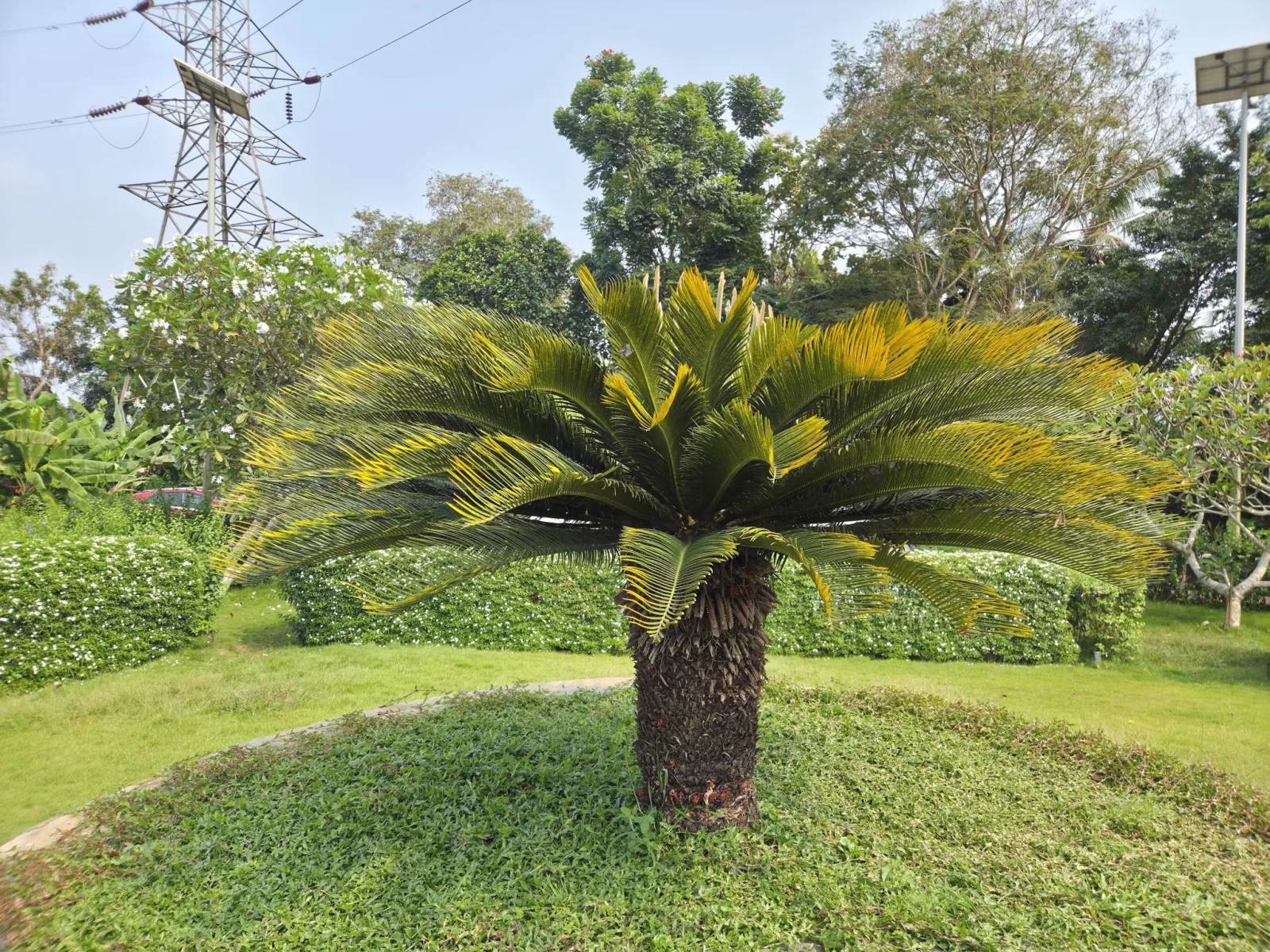
Elevating Your Space with Plant Colors and Textures
Explore how to use color and texture in plant design to transform your living space.
Houseplants are not only a breath of fresh air but also an incredible opportunity to enhance the aesthetic of your living space. Understanding how to effectively balance color and texture can create an inviting atmosphere that brightens any room. Here, we’ll dive into a few essential tips on how to elevate your decor using plant colors and textures.
Understanding Color Psychology
Colors can evoke certain feelings and moods. When incorporating plants into your design, consider the psychology behind the colors they project:
- Green: Represents growth and tranquility. Ideal for relaxation areas.
- Yellow: Conveys warmth and cheerfulness, perfect for kitchens and living rooms.
- Red: Offers vibrancy and energy, suitable for entertainment spaces.
- Purple: Signifies luxury and creativity, great for study or artistic areas.
By selecting plants based on these color properties, you can create a tailored ambiance that aligns with your emotional goals for each room.
Combining Textures for Visual Interest
Texture plays a crucial role in plant design as it adds depth and dimension. Consider the variety of textures that plants can offer:
- Smooth leaves: Such as those from succulents that are sleek and clean.
- Fuzzy leaves: Like those from African violets that invite touch and interest.
- Bold, large leaves: With visuals that command attention, such as monstera or philodendron.
- Delicate foliage: From plants like ferns or lacecap hydrangeas that lend a soft aesthetic.
Combining various textures can create a thrilling interplay that elevates your plant displays. For instance, pairing a spiky cactus with a lush fern can create an engaging conversation between contrasting textures.
Creating a Cohesive Color Palette
When selecting plants, it's essential to think about a cohesive color palette. Begin by assessing the existing colors in your space:
- In a room dominated by neutral colors, vibrant greens and bold flowers can add vitality.
- If your decor features deep, rich colors, select plants with contrasting lighter foliage.
- For a monochromatic space, play with varying shades of greens and the occasional pop of color from blooms.
This unity will create a flowing transition from plant to surroundings, making the green elements feel like an integral part of the decor rather than an afterthought.
Incorporating Planters into the Design
Don't forget about the importance of your planters. The colors, materials, and styles you choose can greatly influence the overall design. Consider these aspects:
- Material: Wooden planters can bring a rustic vibe, while ceramic options might lend a sophisticated touch.
- Color: Use planters that contrast with or complement wall and furniture colors for added interest.
- Shape: Tall cylindrical planters can provide verticality, while shallow dishes might fit nicely on a coffee table.
Thoughtfully chosen planters can enhance not only the plants but also the room's design, tying everything together seamlessly.
Combining Plants with Other Decor Elements
Using plants alongside other decor elements can help in creating layers and depth in a room. Try these tips:
- Mix plants with decorative books for a cozy reading nook.
- Position greenery around art, drawing the eye between the living elements and artistic pieces.
- Integrate plants with candles and decorative stones for a naturally styled tabletop.
This blend ensures that the plants contribute to the overall design rather than compete with existing decor items.
Final Thoughts
Incorporating color and texture through plants is an art that can significantly enhance your living area. By understanding the impact of color psychology, balancing textures, and integrating planters and decor elements thoughtfully, you can craft an inviting environment that reflects your personal style. Embrace your creativity and let your plants flourish as both decor and companions in your home!