How to grow a lush Boston Fern indoors
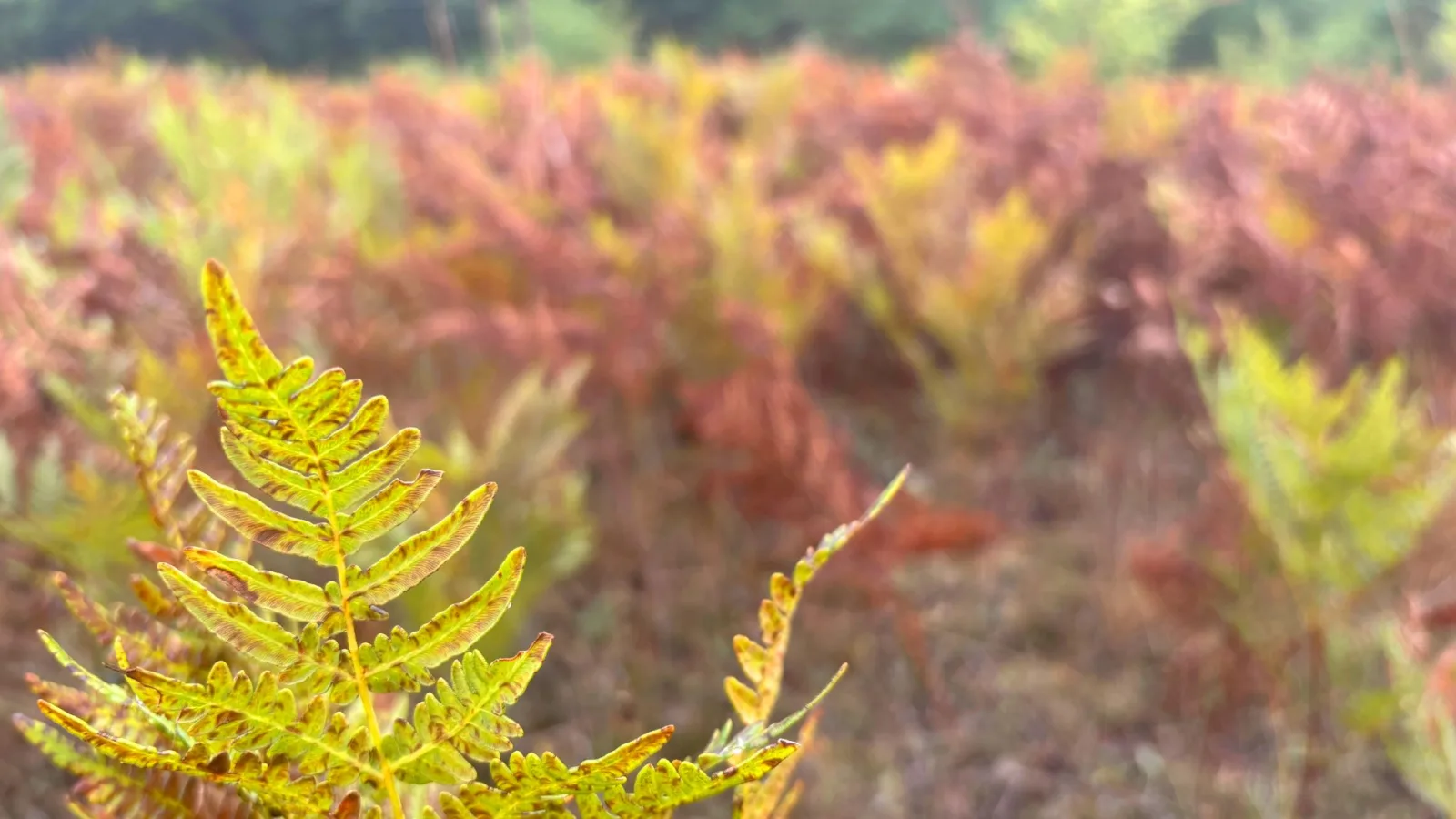
Boston Ferns look great but can be tricky to keep healthy indoors. Here’s what I learned about keeping them green and happy.
The Boston Fern (Nephrolepis exaltata) always catches the eye with its feathery, arching fronds. I thought it would be an easy win for my living room until I learned the hard way that it can be fussy indoors. If you’ve had one turn crispy on you, you’re not alone. Boston Ferns need more attention than a snake plant, but once you get the basics right, they reward you with seriously lush growth.
Finding the right spot
Boston Ferns don’t like direct sunlight. I made the mistake of keeping mine on a south-facing windowsill, hoping it would soak up some rays. The tips browned fast. They do much better in bright, indirect light. East- or north-facing windows usually work. A few feet back from a bright window is good too. Too dark and they’ll get thin and pale; too much sun and they crisp up.
If you only have sunny windows, try sheer curtains or pull the plant farther into the room. I’ve kept ferns on a plant stand in a bathroom with a window and they love the extra humidity there.
Keeping the humidity up
Dry air is the enemy. Central heating and air conditioning pull moisture out of the room, and the fronds get brown edges fast. I once tried misting with a spray bottle every morning, but it didn’t help much. Ferns want the air around them to stay moist all day. Misting can be a little boost but it’s not enough for most homes.
A better trick: put the pot on a tray of pebbles with water, so the water can evaporate around the plant without soaking the roots. Grouping your ferns with other plants helps too. In winter, I run a small humidifier nearby. If the fronds look crispy or drop, it’s usually a humidity issue.
Watering: not too much, not too little
Boston Ferns like their soil damp but not soggy. Dry soil is a quick route to a sad, crunchy plant. I stick a finger into the soil every few days. If the top inch is dry, it’s time to water. Let water run out the drainage holes but don’t let the pot sit in it. Water less in winter but never let it go bone dry.
I use room-temperature water because cold water can shock the roots. If your tap water is very hard or chlorinated, let it stand overnight or use filtered water. Brown tips can sometimes mean there’s too much salt or minerals building up in the soil.
Repotting and feeding
Boston Ferns grow fast in the right conditions. Mine sent up lots of new fronds every spring. If roots start poking from the pot’s bottom or it dries out much faster than usual, it’s time to repot. Use regular potting soil with some peat or coco coir for better moisture retention. Go up just one pot size so the soil doesn’t stay wet and rot the roots.
Feed with liquid houseplant fertilizer at half strength every month during spring and summer. Too much fertilizer can burn the fronds. Skip feeding in winter when growth slows down.
Common problems and fixes
- Brown tips: Usually low humidity or inconsistent watering. Try a pebble tray or humidifier.
- Yellow fronds: Overwatering or not enough light. Check soil moisture and move to brighter spot.
- Pale, thin growth: Not enough light or nutrients. Move closer to a window and feed monthly.
- Dropping leaves: Shock from moving, drafts, or dry air. Keep away from vents and boost humidity.
Scale and spider mites sometimes show up in dry indoor air. If you spot tiny bugs or sticky residue, wash the fronds gently in the sink and wipe leaves with a damp cloth.
Best ways to show off your fern
Boston Ferns look dramatic hanging in baskets or perched on plant stands where fronds can arch out. Just watch for drips when you water. Bathrooms with decent light give them a steamy spa day every day. I’ve seen them thrive in kitchens away from the stove. They can handle being outdoors in shade in summer but bring them in before the cold nights hit.
With a bit of extra care for humidity and regular watering, Boston Ferns can be one of the greenest, fullest plants in your home. I still lose a few fronds every winter, but nothing beats that lush look when spring comes back around.