How to water succulents indoors without killing them
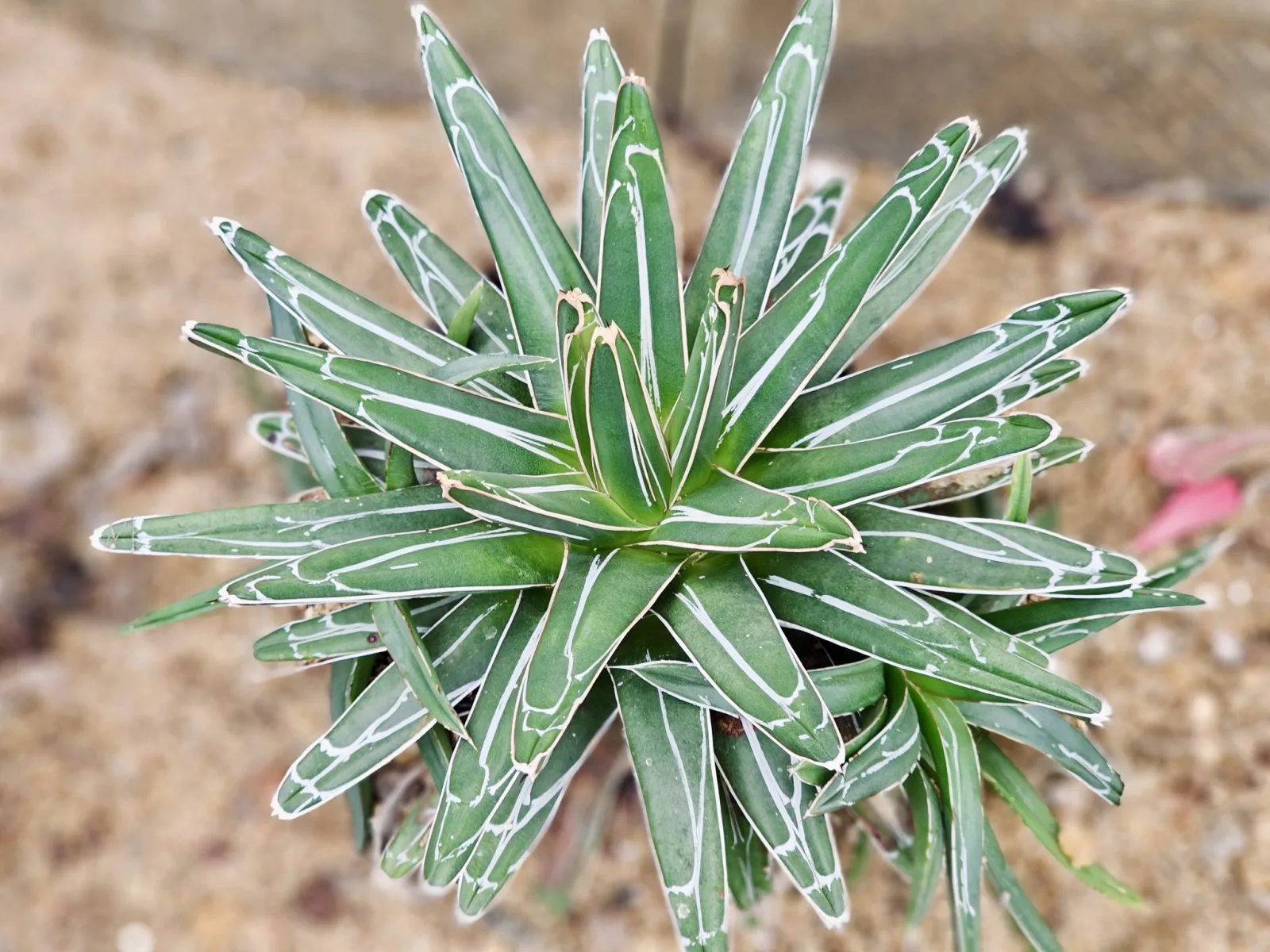
Overwatering is the main reason indoor succulents die. Here’s how to get watering right and keep them healthy.
Succulents are tough on the outside but pretty unforgiving if you mess up their watering. That’s why so many people end up with a mushy, rotting mess. I’ve ruined my share of succulents by giving them too much love (and water), so here’s what I wish I’d known from the start.
Understanding how succulents store water
Every fat leaf and chunky stem on a succulent is a little water tank. These plants evolved in places where rain is rare, so they suck up a lot when it’s available and hold it for later. Indoors, that means they only need to be watered when the soil is bone dry. If you water every Tuesday just because it’s on your calendar, you’ll kill them fast. It can take a week, two weeks, or even longer between waterings. Don’t get anxious if the soil looks dry for days.
The soak and dry method
The easiest way I’ve found is the soak and dry method. You wait until the soil is totally dry (really stick a finger in there), then soak the soil so water runs out the drainage hole. Don’t just sprinkle a bit on top. Succulents want a good drink when they’re thirsty, but then they want to dry out fully before the next round.
No drainage hole? That’s a problem. Succulents in pots without holes are way more likely to sit in water and rot. I avoid them unless I’m willing to water with an eyedropper. If you must use a pot with no drainage, use much less water and wait even longer between waterings.
How to tell if your succulent is thirsty or drowning
- Underwatered succulents get wrinkly, shriveled leaves that may feel thin and limp. They’ll perk up fast after a good soak.
- Overwatered succulents get yellow, transparent, or mushy leaves. They may fall off at a touch or look soggy. If the roots look black or brown and smell bad, that’s root rot. Sometimes you can save the plant by pulling off the healthy parts and re-rooting them in dry soil.
It’s better to underwater than overwater. A dry succulent is usually easier to fix than a mushy one.
Common mistakes to avoid
- Assuming all succulents are the same. Some need a bit more water than others. Haworthia, for example, can take a little more moisture than echeveria. But the basics, soak and dry, work for almost all.
- Using the wrong soil. Regular potting mix holds too much moisture. Use a cactus or succulent mix, or add a lot of perlite or sand to your regular soil. If the soil stays wet for more than two days, it’s not draining fast enough.
- Misting instead of watering. Misting raises humidity but doesn’t help the roots. It may even rot the leaves. Water the base of the plant, not the top.
- Leaving water in saucers. If you see water sitting in the saucer under the pot, pour it out. Succulent roots do not want to sit in water.
How light affects watering
Succulents in bright light will use water faster than ones in shade. If your plant is living on a sunny windowsill, check the soil more often. If it’s stuck in a dark corner, be extra slow to water. When in doubt, wait another day or two.
I once moved a jade plant from my kitchen to a sun-baked window and didn’t realize I needed to water it more. The leaves went rubbery in a week. But a couple of good waterings and it bounced back. It’s always trial and error at first, but err on the dry side.
What to do if you overwater
If you think you’ve overwatered, pull the plant out and check the roots. Cut off any black, mushy parts. Let the plant dry for a day or two, then repot in dry, gritty soil. Sometimes that’s all it takes for a succulent to recover. If the stem is turning brown and soft, take a healthy cutting and start over.
Succulents don’t need a lot of fuss. Once you get their watering right, they’re about as easy as it gets. Most people kill them with kindness, not neglect.