How to bottom water your houseplants
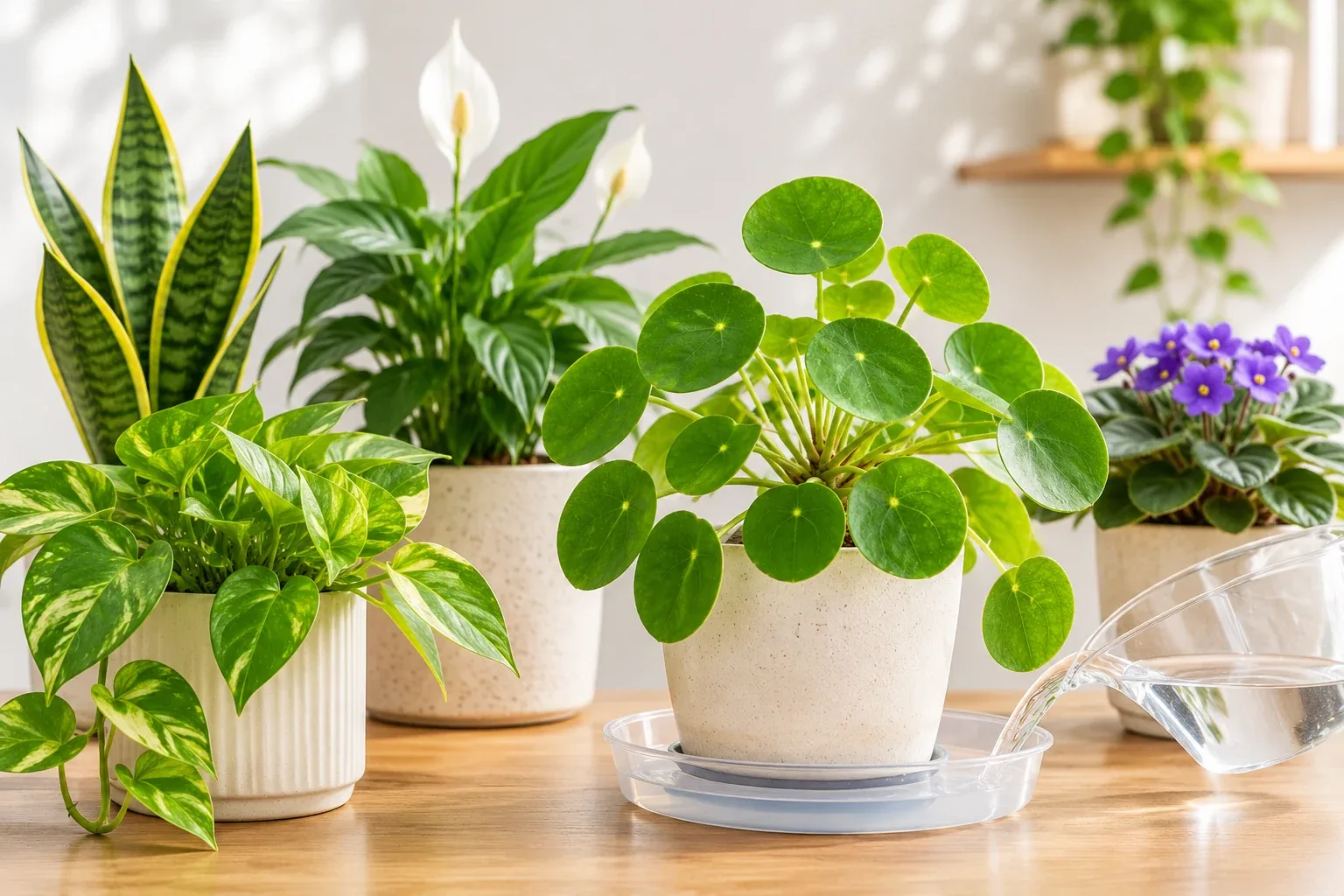
Bottom watering can transform the way you care for houseplants. Get practical steps, pros, cons and tips for success.
I used to water my houseplants from the top, the way my parents did. Sometimes the water would pool on the soil and run down the sides. Sometimes the leaves got wet and developed marks. Then I tried bottom watering, letting the plant soak up water from underneath. It felt counterintuitive at first, but once I saw the difference, I was hooked.
Why bottom watering?
Bottom watering means placing your plant’s pot in a tray or sink filled with water. The soil soaks up water through the drainage holes. It’s a slower process but it comes with some real perks. The roots can take in what they need, nothing more. The top of the soil stays drier, which can help prevent fungus gnats and some diseases. I find it’s easier to avoid overwatering, since you can just let the pot sit for a set time and then remove it.
This method works best for small to medium houseplants in pots with proper drainage. It’s less helpful for large, heavy planters (unless you’re good at heavy lifting), or for plants in pots without holes. Some people say bottom watering every time can lead to a buildup of minerals on the upper soil, but I’ve found this only happens if you never water from the top at all.
How to do it step by step
- Fill a saucer, tray or your sink with a couple of inches of room-temperature water.
- Place the potted plant in the water. The water should reach just below the rim of the pot, not spill over the top.
- Wait about 10-20 minutes. You’ll see the top of the soil get damp, or you can check with your finger. If it’s still dry, leave it a bit longer.
- Take the pot out of the water and let it drain in the sink or on a towel. Don’t forget this step, sitting in water too long can rot roots.
- Return the plant to its usual spot. If you want, wipe the outside of the pot to avoid water stains on shelves.
Sometimes I combine bottom watering with top watering, just to make sure salts don’t build up on the upper soil. If a plant is very rootbound, it may take longer to soak up water. You can poke a chopstick into the soil to help water travel more evenly.
When it works best (and when it doesn't)
Bottom watering is my go-to method for African violets, snake plants, pileas, prayer plants, and any picky varieties that sulk when water gets on their leaves. It also saves a lot of mess when a plant has thick, bushy foliage or lives somewhere a splash of water would ruin the furniture. Plus, it is gentle enough for seedlings and young plants, letting them drink without washing away the topsoil or disturbing fragile roots.
However, this technique does not suit every plant in the house. Drought-loving species like cacti and certain succulents prefer to dry out completely between drinks, so soaking them from below can hold onto too much moisture; for those, a targeted squeeze bottle at the soil line works much better. You will also run into trouble if your potting mix has gone hydrophobic and started repelling water—if the pot refuses to absorb moisture or lets it run right back out, no amount of soaking will fix it, and you are better off repotting with fresh soil.
Easy Slip-Ups That Can Hurt Your Plants
Even though bottom watering feels foolproof, a few simple habits can quickly backfire. Letting a pot soak for hours is the fastest way to drown the roots, so set a timer and pull the plant out after about twenty minutes. Make sure you dump any leftover water from the saucer right away, since roots rot quickly when left sitting in a puddle. It is also smart not to rely on bottom watering exclusively; without an occasional top-down rinse, mineral salts from tap water and fertilizer build up in the upper soil layer. Finally, skip this method altogether for cachepots or containers without drainage holes, because water either cannot reach the roots or gets trapped at the bottom and turns the soil into a swamp.