How to Choose the Right Planter for Your Houseplants
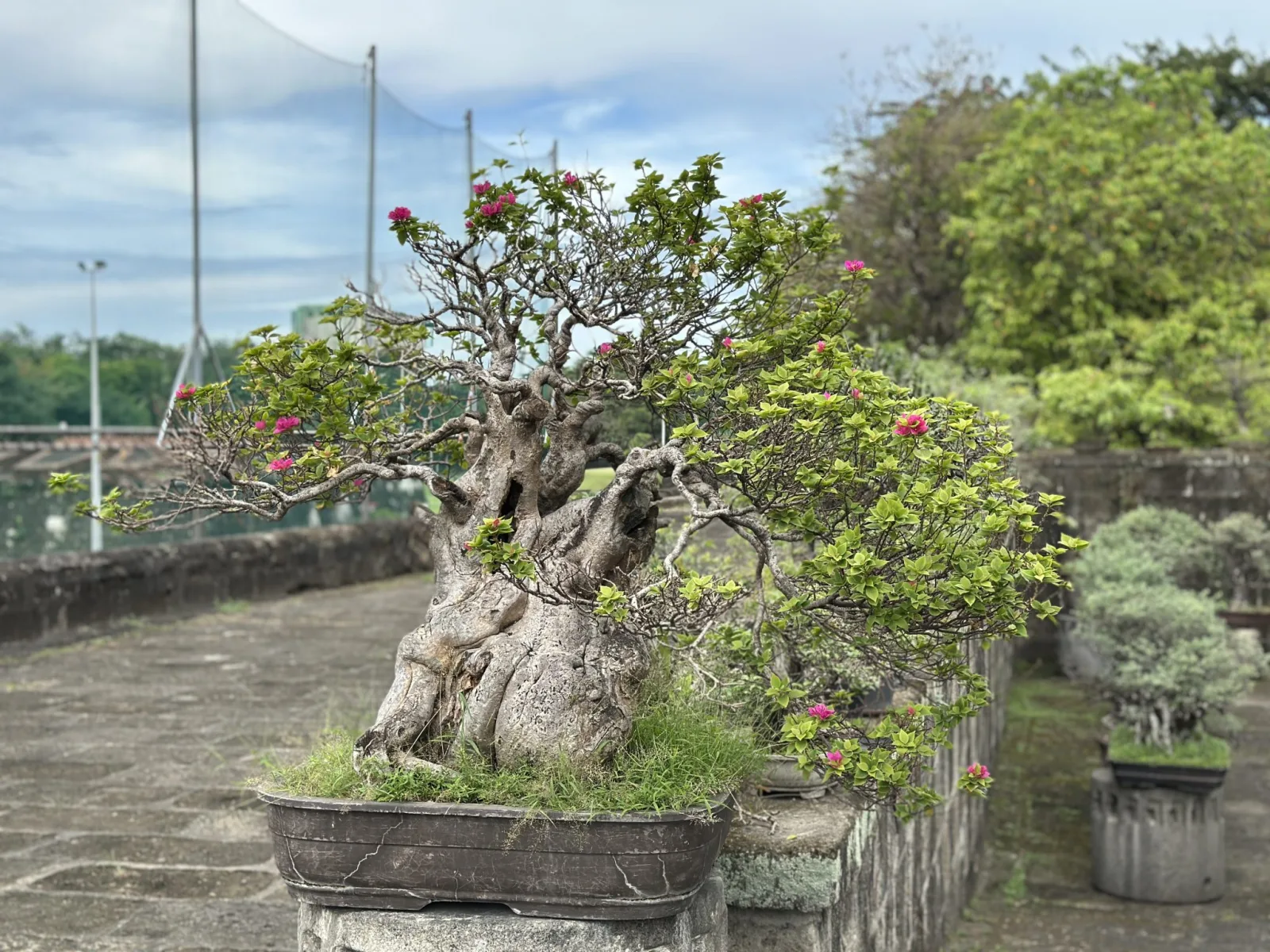
Discover essential tips for selecting the perfect planter that complements your houseplants and enhances their growth.
Choosing the right planter for your houseplants is crucial for their health and your home décor. The right planter not only provides a beautiful aesthetic but also supports the growth and care of your plants. Here are some factors to consider when selecting the perfect planter.
1. Material Matters
The material of the planter can greatly affect its durability and how well it retains moisture. Here are some common materials:
- Plastic: Lightweight and versatile, plastic planters are affordable and come in various colors and styles. They retain moisture well but can break down in direct sunlight over time.
- Ceramic: These planters are heavier and more durable. Glazed ceramic planters retain moisture well but ensure they have drainage holes to prevent root rot.
- Terracotta: Known for its porous nature, terracotta allows air and moisture to pass through, making it ideal for plants that prefer dryer conditions. However, they can dry out quickly, so monitor watering closely.
2. Size and Scale
The size of the planter should be appropriate for the size of the plant.
- Too Small: A planter that is too small can restrict root growth and lead to a stunted plant.
- Too Large: Conversely, an oversized planter may cause overwatering, as the soil may retain excess water, leading to root rot.
As a general rule, choose a pot that is 1-2 inches larger in diameter than the plant’s root ball. This allows room for growth without compromising moisture levels.
3. Drainage Is Essential
Proper drainage is crucial for the health of your plants. Always select pots with drainage holes at the bottom to prevent excess water accumulation. Without adequate drainage, the roots can sit in water, leading to rot. If you fall in love with a planter that doesn’t have drainage, consider using it as a decorative outer pot with an inner pot that has drainage for the plant.
4. Style and Aesthetics
Consider how the planter will fit within your space’s décor. There are countless styles available, from modern minimalist to rustic farmhouse. Here are some ways to incorporate planters into your home decor:
- Color Coordination: Choose planter colors that complement your wall and furniture colors.
- Height Variation: Use plant stands to add height to your arrangements, creating visual interest.
- Grouping: Cluster smaller plants in diverse pots for a dynamic look.
5. Seasonal Considerations
Lastly, consider your local climate. If your plants will be outdoors during warm months:
- Choose heat-resistant materials that won't warp or fade under direct sunlight.
- Ensure your outdoor planters have excellent drainage to handle heavy rain.
In colder months, it’s wise to switch to planters that can retain warmth for indoor settings. This can help maintain healthy growth rates during winter.
Conclusion
By focusing on the material, size, drainage, style, and seasonal factors of planters, you can create a strong foundation for your plants while enhancing your home’s beauty. Take the time to choose wisely, and your houseplants will thrive!