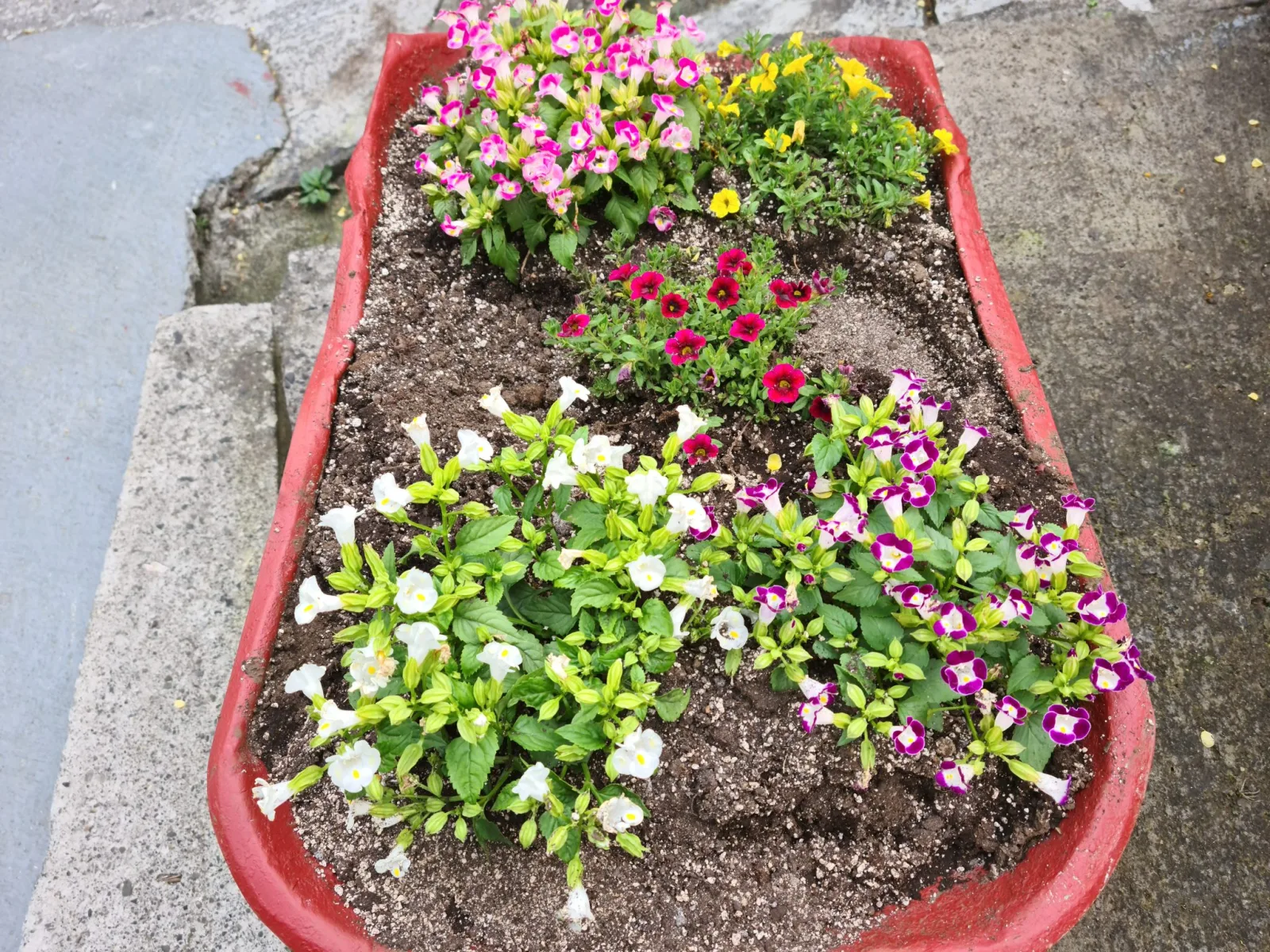
Design Tips for Creating a Harmonious Plant Arrangement
Discover expert tips for arranging plants in a way that enhances your home decor while keeping your greenery thriving.
Understanding the Basics of Plant Arrangement
Creating a harmonious plant arrangement involves more than simply placing pots in a corner. It requires a thoughtful approach to aesthetics, plant needs, and space utilization. Here's how to ensure your greenery not only looks great but also thrives in your home.
Choosing the Right Plants
The first step in any successful plant arrangement is selecting the right plants. Consider the following factors:
- Light Requirements: Match plants to their ideal lighting conditions, whether it's bright, indirect light or low light.
- Size and Growth Rate: Choose a variety of sizes and growth rates to create visual interest.
- Plant Types: Mix different types, such as leafy plants, succulents, and flowering varieties, for added texture and color.
Examples of Excellent Plant Combinations:
- Pothos, Snake Plant, and Spider Plant for a low-maintenance, air-purifying setup.
- Succulents like Echeveria paired with Orchid for a striking desert-inspired display.
- Ferns, such as Boston Fern mixed with Peace Lily, adding a lush and tropical feel.
Creating Balance and Visual Flow
To create a pleasing arrangement, consider the principles of balance and flow:
- Symmetry: Use symmetrical arrangements for a formal feel. Place identical plants on either side of a focal point.
- Asymmetry: For a more casual look, arrange plants of varying heights and shapes in a staggered layout.
- Grouping: Group plants in odd numbers to encourage a more natural appearance.
Utilizing Planters and Displays
The type of planters you choose can significantly affect the overall aesthetic of your arrangement. Consider:
- Materials: Terracotta, ceramic or modern concrete can add texture. Choose based on the style of your home.
- Shapes: Use a combination of round, square, and cylindrical pots to create visual dynamics.
- Height Variations: Incorporate plant stands, wall mounts, or shelves to create layers and height diversity.
Examples of Stylish Display Ideas:
- Use a tall plant stand for a statement tree.
- Arrange smaller pots on a tiered shelf for an organized look.
- Hanging planters can draw the eye up, making a room feel taller.
Maintaining Your Plant Arrangement
Once your plants are arranged, maintenance is key to keeping them healthy and looking great:
- Watering: Ensure each plant group has its watering needs met, and check moisture levels regularly.
- Fertilizing: Provide appropriate nutrients during the growing season to encourage healthy growth.
- Pruning: Regularly trim any dead leaves or unwieldy growth to keep plants looking their best.
With these design tips, you can create harmonious plant arrangements that enhance your home's beauty while fostering a healthy environment for your beloved greenery. Choose wisely, and your plants will thrive, transforming your space into a restful oasis.