Understanding Soil Drainage: The Key to Healthy Plants
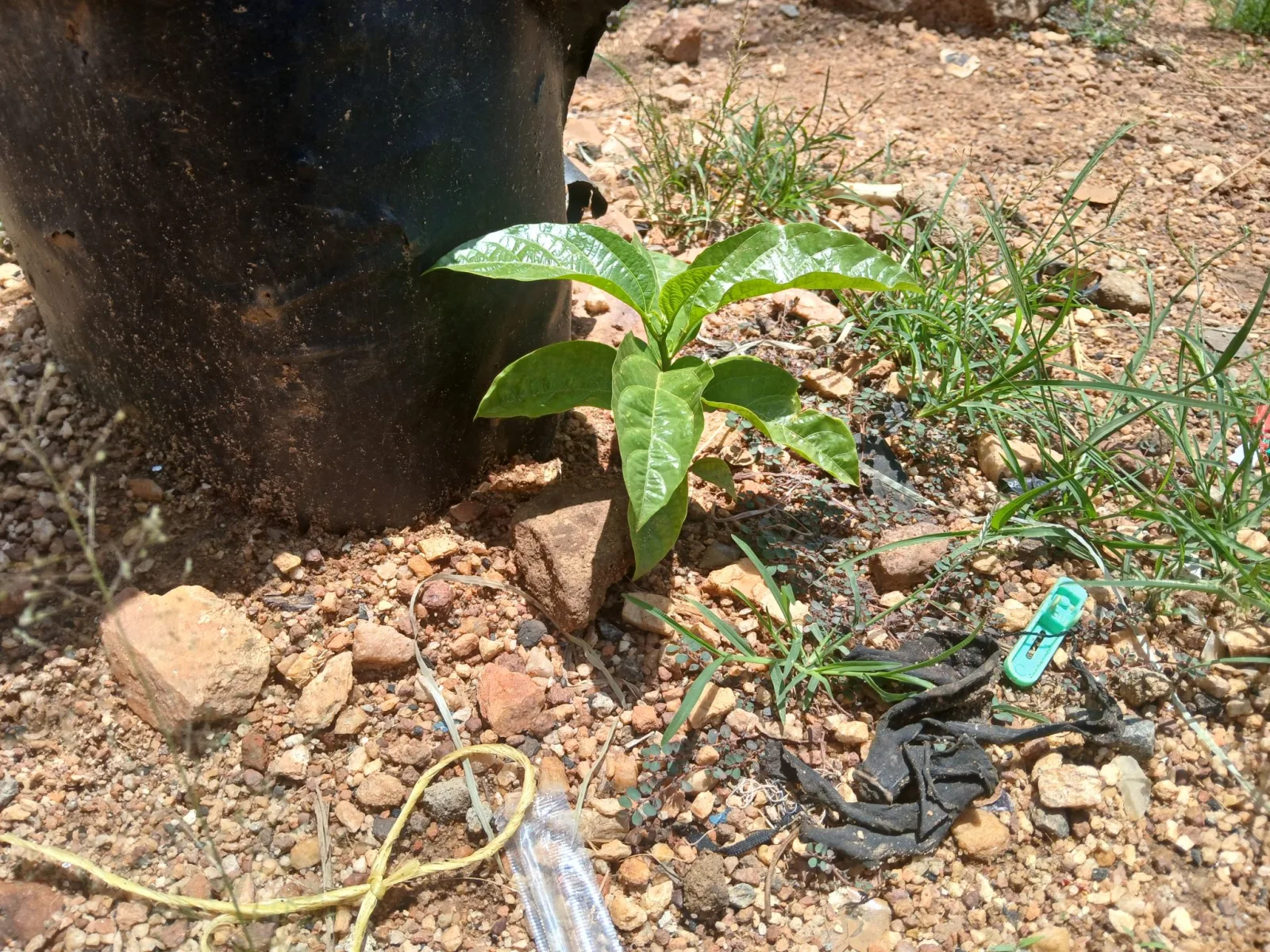
Learn how to assess and improve soil drainage for your houseplants to ensure robust growth and vitality.
Why Soil Drainage Matters
Soil drainage plays a crucial role in the health of your houseplants. Proper drainage prevents water from pooling around the roots, which can lead to root rot and other problems. Understanding how drainage works can help you choose the right potting mix and planters for your green friends.
Signs of Poor Drainage
Recognizing the symptoms of poor drainage is essential for effective plant care. Here are some common signs:
- Yellowing Leaves: If your plant's leaves are turning yellow, it may indicate that the roots are not getting enough oxygen due to excess water.
- Wilting: Overwatered plants may wilt despite soggy soil, as the roots can no longer take up water efficiently.
- Foul Odor: A sour smell from the soil can indicate root rot, which is often caused by poorly drained soil.
- Mold Growth: The presence of mold or mildew on the soil surface can signal that the soil is too wet.
Improving Soil Drainage
If you suspect that your soil has poor drainage, you can take several steps to improve it:
Select the Right Potting Mix
Not all potting mixes are created equal. Choose one that is designed for your specific plant type. For instance, cacti and succulents thrive in fast-draining mixes, while tropical plants may prefer something that retains a bit more moisture.
Use Pots with Drainage Holes
Always opt for pots that feature drainage holes at the bottom. This design allows excess water to escape, preventing water accumulation in the soil.
Add Drainage Materials
You can enhance drainage by incorporating the following materials into your potting mix:
- Pearlite: This lightweight volcanic glass improves aeration and drainage.
- Gravel: A layer of gravel at the bottom of the pot can help prevent soil from clogging the drainage holes.
- Coconut Coir: When mixed with traditional potting soil, coir can improve moisture retention without sacrificing drainage.
Testing Soil Drainage
To gauge your soil's drainage capabilities, try conducting a simple drainage test:
- Fill a pot with your plant's soil mix.
- Water it thoroughly and observe how long it takes for the water to escape from the bottom.
- If drainage occurs within a few minutes, your soil is well-draining. If not, consider making adjustments.
Conclusion
Understanding and improving soil drainage is key to ensuring your houseplants thrive. By choosing the right potting mix, using appropriate pots, and monitoring drainage, you can create a healthy environment for your green companions. Remember, a happy plant means a happy home!