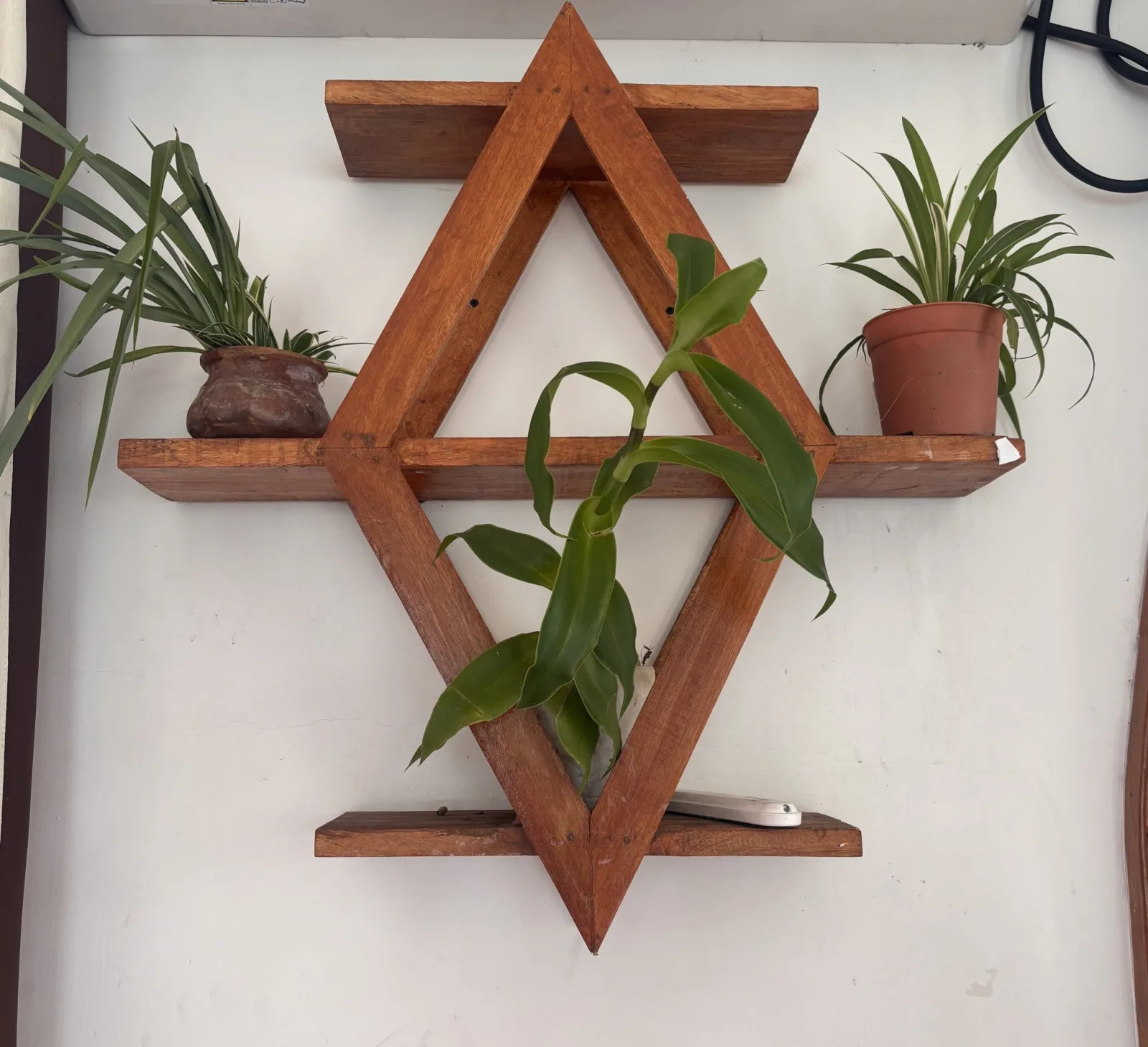
Using Color Theory to Enhance Your Plant Displays
Discover how to use color theory to create stunning plant displays that brighten your space.
Understanding Color Theory
Color theory is a crucial aspect of design that can greatly influence the atmosphere of a space. It revolves around the principles of how colors interact, contrast, and complement each other. When applied to plant displays, using color strategically can elevate your indoor gardening game.
The Color Wheel and Its Applications
The color wheel consists of primary, secondary, and tertiary colors, arranged in a way that shows the relationships between them. Here’s how you can use different color schemes in your plant displays:
- Monochromatic: Choose plants that vary in shades and tints of a single color for a cohesive look.
- Analogous: Combine plants with colors that are next to each other on the color wheel, such as blues and greens.
- Complementary: Use colors that are opposite each other on the color wheel, like red and green, to create a vibrant and eye-catching display.
Choosing the Right Planters
Colorful planters can add another layer to your plant display. Here are some tips for selecting pots:
- Neutral Base: If your plants have bright foliage or flowers, consider neutral or muted colored planters to allow the plants to shine.
- Bold Colors: For a more playful look, use bright and bold planters that match or contrast with your plants’ colors.
- Materials Matter: Consider the texture of the planter. A ceramic pot with a glossy finish can add elegance, while a matte finish adds a modern touch.
Creating Contrast and Harmony
Using contrast in your plant displays can create visual interest. Play with the following:
- Texture: Combine different textures, such as the sleek leaves of a sansevieria with the fuzzy feel of a fuzzy plant to make your display more dynamic.
- Height Variation: Vary plant heights to create layers of color and depth. Place taller plants at the back of your display and shorter ones in front.
- Patterns: Incorporate patterned pots or plant varieties with variegated leaves for additional visual layers, enhancing your display.
Enhancing Your Space with Colorful Plant Displays
Once you’ve selected your plants and pots, consider placement in your home:
- **Identify Focal Points:** Choose areas that naturally draw the eye, like a dining table or the center of a living room.
- **Create Groupings:** Use groups of three or five plants for a balanced look, incorporating various heights and colors.
- **Balance:** Ensure that your displays are visually balanced. If you have a large, vibrant plant on one side, balance it with another significant element, like a minimalist sculpture, on the opposite side.
Color can transform your plant displays from simple to stunning, creating a vivid connection to your living space.