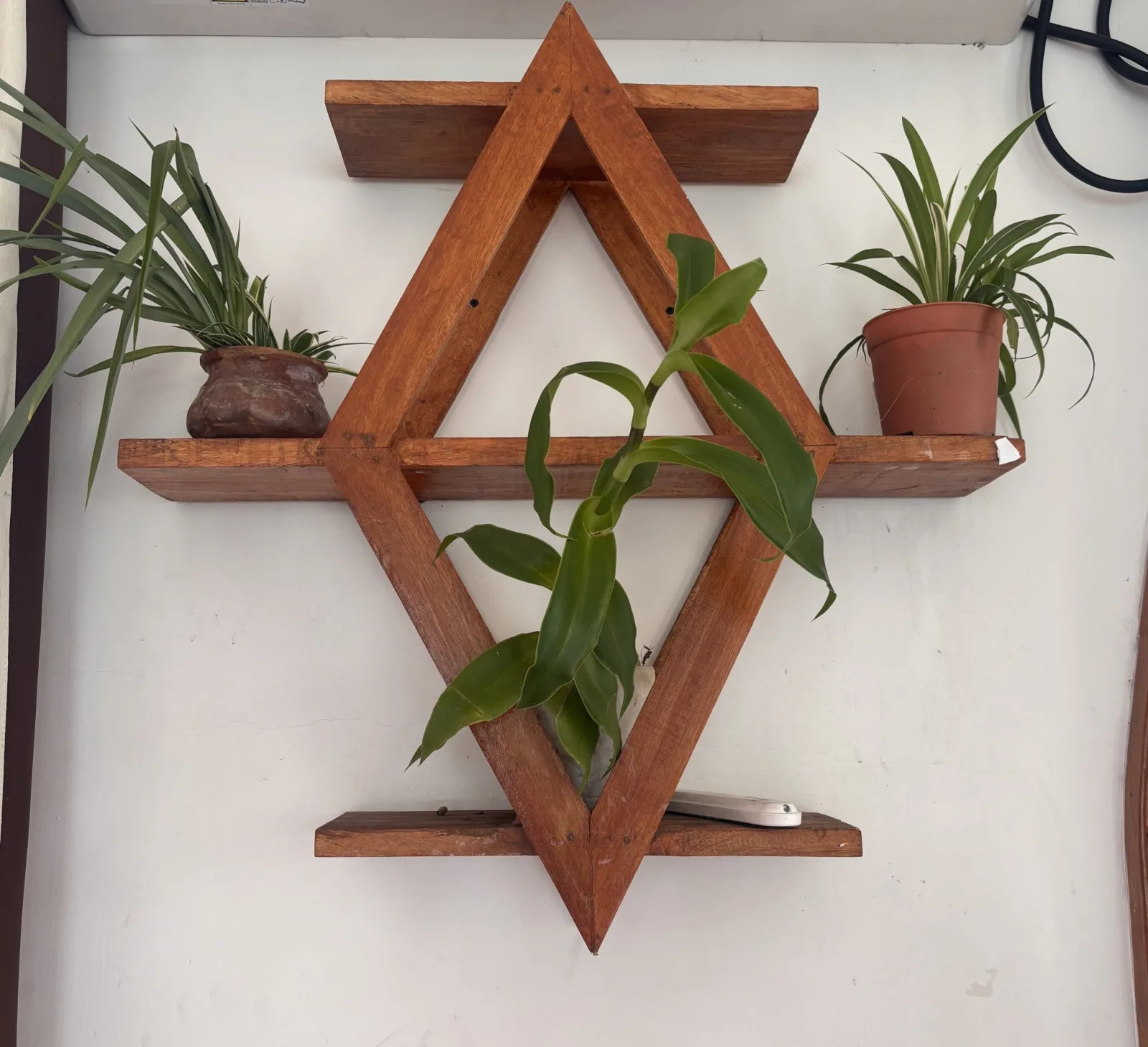
Enhancing Your Space with Thoughtful Plant Distancing
Discover how to create an inviting plant arrangement by understanding the importance of plant distancing for design and health.
The Importance of Plant Distancing
When planning an indoor garden or enhancing a space with houseplants, one critical aspect to consider is plant distancing. Proper spacing not only enhances the aesthetic appearance of your arrangements but also promotes the health and growth of your plants.
Why Spacing Matters
Spacing your plants correctly can greatly influence both their growth and the overall design of your room. Here are some reasons why:
- Light Access: Ensuring that each plant receives adequate light is crucial. Proper spacing allows sunlight to reach each plant, preventing the weaker ones from getting overshadowed.
- Air Circulation: Good air flow between plants helps reduce the risk of fungal infections and pest infestations.
- Visual Appeal: A well-spaced arrangement creates a more polished and intentional look, making your space feel more inviting.
How to Determine Ideal Plant Distancing
Determining the right amount of space for your plants involves considering several factors:
- Plant Size: Bigger plants will require more space. Ensure smaller plants are not overcrowded by larger specimens.
- Growth Habit: Some plants grow wide, while others grow tall. Research the specific growth habits of your plants to decide on spacing.
- Lighting Needs: Different plants have different light requirements. Group those that thrive in similar lighting conditions closer together without restricting their growth.
Creating Different Levels
Incorporating varying heights into your plant arrangement can add depth and interest to your design. Here are a few ideas:
- Use Stands: Plant stands can elevate smaller plants, allowing them to receive light while complementing taller plants positioned nearby.
- Add Shelves: Floating shelves can provide an elegant showcase for smaller plants and maximize vertical space.
- Mixing Heights: Combine floor plants with desk-level plants to create a dynamic vertical garden effect.
Practical Tips for Plant Distancing
Implementing the right spacing techniques in your home can transform your space. Here are some practical tips:
- Create Zones: Divide your plant displays into zones based on their height, light needs, and watering schedules. This will clarify where each plant fits best.
- Experiment: Don’t hesitate to rearrange your plants! Taking some time to adjust spacing until you find the best fit can lead to beautiful results.
- Regular Maintenance: As your plants grow, regularly check spacing once every season to adjust for their new sizes and to ensure they remain healthy.
Conclusion
Thoughtful plant distancing is pivotal in achieving a beautiful and healthy plant arrangement. With the right amount of space, each plant can thrive while contributing to the overall aesthetic of your home. Follow the tips outlined above to create a vibrant indoor garden that not only enhances your living space but also nurtures your beloved plants.