How to Create a Terrarium: A Miniature Indoor Garden
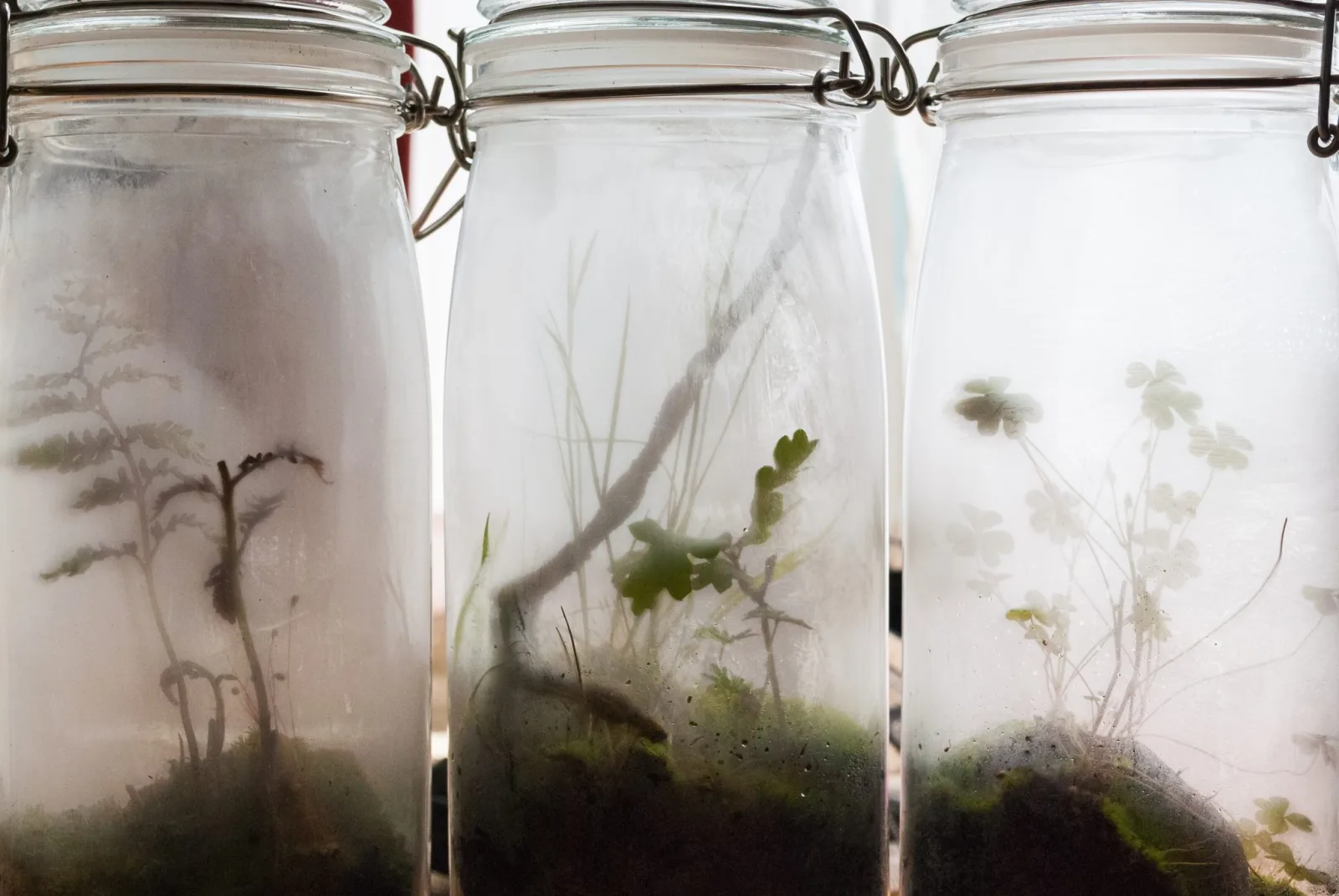
Transform your space with a lush terrarium. Learn how to design, assemble, and care for your own indoor green haven.
Introduction to Terrariums
Creating a terrarium is a delightful way to bring the beauty of nature indoors. These miniature gardens offer a creative outlet and can enhance any space, leaving you with a vibrant display of greenery. Whether you're a seasoned plant parent or a beginner, building a terrarium is an enjoyable project that yields beautiful results.
Choosing the Right Container
The first step in creating a terrarium is selecting the perfect container. Here are some factors to consider:
- Size: Choose a container that fits your available space and desired design. Small jars are great for smaller plants, while larger containers allow for more variation.
- Material: Glass is ideal as it allows light to penetrate and is easy to clean. You can find various shapes and styles, from traditional jars to geometric designs.
- Open or Closed: Closed terrariums maintain humidity, making them ideal for moisture-loving plants. Open terrariums provide better air circulation and are suitable for drought-tolerant plants.
Gathering the Components
After selecting your container, you’ll need to gather the essential materials:
- Gravel or Pebbles: This forms the drainage layer at the bottom of your terrarium, preventing root rot.
- Activated Charcoal: A thin layer helps keep the environment fresh by reducing odors and bacteria.
- Potting Soil: Use a well-draining potting mix suitable for the types of plants you want to include.
- Plants: Select an assortment of plants based on your terrarium's environment. Consider height, color, and texture.
- Decorative Elements: Optional additions like stones, figurines, or driftwood can enhance the aesthetic appeal.
Assembling Your Terrarium
Now that you have your materials, it's time to put your terrarium together:
- Layering: Start by adding a layer of gravel or pebbles for drainage, about 1-2 inches deep, depending on the container size.
- Add Charcoal: Sprinkle a thin layer of activated charcoal on top of the gravel.
- Soil Base: Add potting soil, ensuring it’s deep enough for the plants' roots. Aim for at least 2-4 inches.
- Planting: Create small holes in the soil for your plants. Gently remove each plant from its nursery pot and place it in the terrarium. Firmly pack the soil around the roots.
- Decoration: Add decorative stones or figurines to personalize your terrarium.
Care Tips for Your Terrarium
To ensure your terrarium thrives, follow these care tips:
- Lighting: Most terrariums require indirect light. Avoid direct sunlight, as it can overheat and scorch plants.
- Watering: Water sparingly. Check the soil; if it feels dry, add a small amount of water. Too much moisture can lead to mold.
- Humidity: If you have a closed terrarium, periodic condensation is normal. Open it occasionally to prevent mold growth.
- Trimming: Regularly trim back any overgrown plants to maintain an appealing shape and promote healthy growth.
Conclusion
Creating a terrarium is a fun and fulfilling project that can beautify any indoor space. By carefully selecting your container, components, and plants, you can create a thriving miniature garden tailored to your style. Remember to maintain proper care, and enjoy watching your small ecosystem flourish!