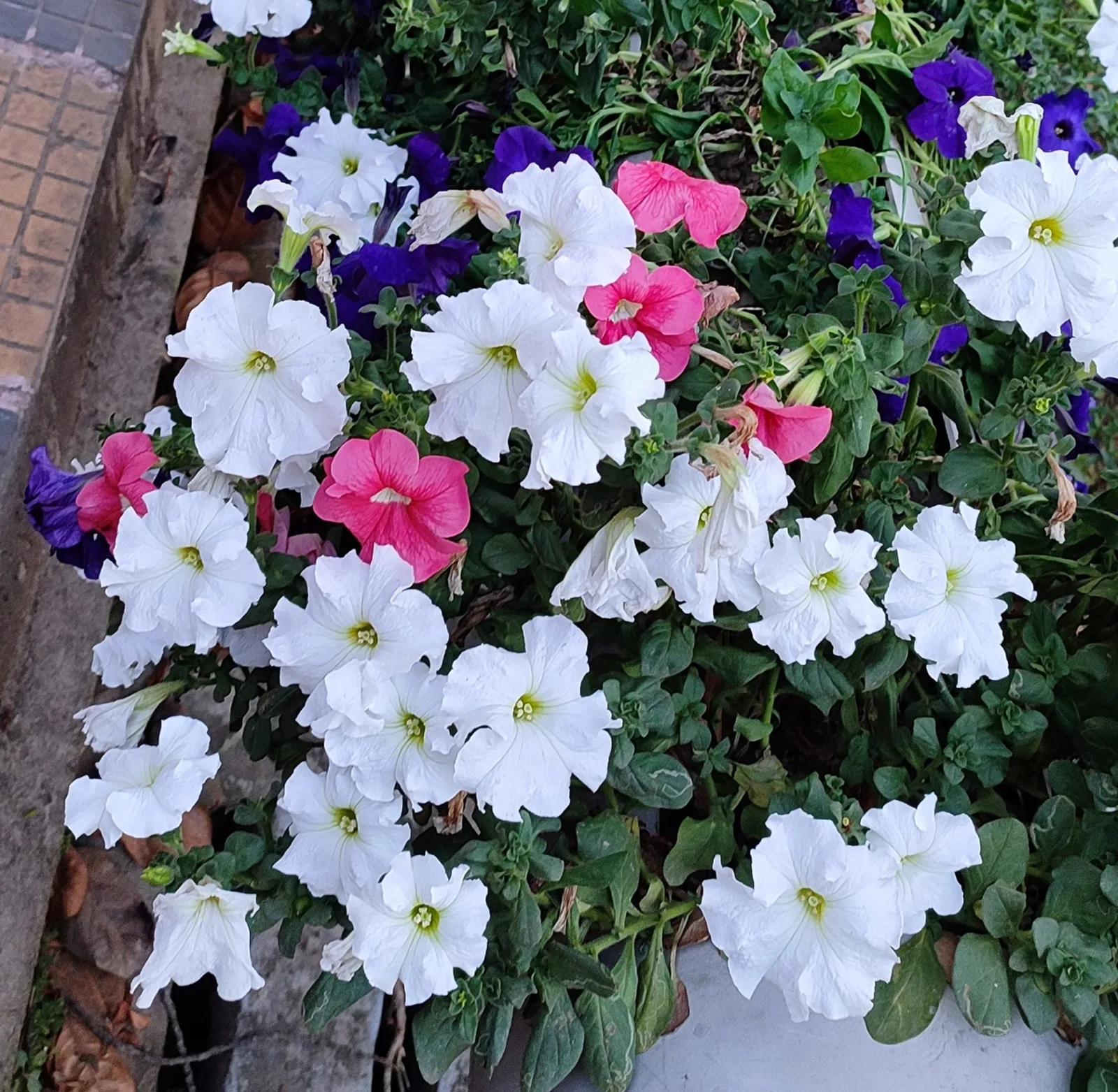
Transform Your Space: The Benefits of Vertical Gardening

Explore how vertical gardening can enhance your home decor while maximizing space and improving air quality.
Understanding Vertical Gardening
Vertical gardening is a creative way to bring greenery into your space without taking up too much floor area. It offers an artistic approach to plant design, allowing you to integrate lush vegetation into small rooms, balconies, or even indoor walls.
Benefits of Vertical Gardening
- Space-Saving: Perfect for small areas, vertical gardens utilize vertical space to house your favorite plants without overcrowding your environment.
- Improved Air Quality: Plants naturally purify the air by absorbing toxins and releasing oxygen, making your space feel fresh and inviting.
- Enhanced Visual Appeal: A well-designed vertical garden can serve as a stunning focal point, offering both color and texture to your decor.
- Noise Reduction: Plants can also help reduce noise levels in your environment by absorbing sound waves.
Choosing the Right Plants
When creating a vertical garden, select plants that thrive in the conditions of your space. Consider the following options that do well in various environments:
- Herbs: Great for kitchens, herbs like basil and mint can easily be grown vertically while providing culinary benefits.
- Succulents: These low-maintenance plants are perfect for sunny walls and come in various shapes and colors.
- Ferns: Ideal for humid or shaded areas, ferns can add lush greenery without requiring much light.
- Trailing Plants: Varieties like pothos or string of pearls can create beautiful cascading effects when placed vertically.
Designing Your Vertical Garden
Creating a successful vertical garden involves more than just choosing plants; design plays a pivotal role. Here are some design tips:
- Select a Suitable Structure: Use wall-mounted planters, trellises, or modular planting systems that can be customized to fit your space. Consider using materials like wood, metal, or fabric pockets.
- Arrange with Intention: Group plants based on their height, color, and texture. A diverse arrangement will create visual interest and help the plants thrive.
- Consider Light Needs: Place plants according to their light requirements. Ensure that those needing more sunlight are positioned in well-lit areas.
- Watering Convenience: Ensure you can easily access your plants for watering and maintenance. Self-watering systems can be beneficial for larger vertical gardens.
Maintenance Tips for Vertical Gardens
Regular maintenance keeps your vertical garden thriving. Here are essential maintenance tips:
- Water Wisely: Adjust your watering routine based on the types of plants you have. Some may need daily watering, while others thrive on less frequent misting.
- Prune Regularly: Keep your garden healthy by trimming dead leaves or overgrown branches. This promotes new growth and maintains aesthetics.
- Fertilize Appropriately: Use liquid fertilizers to provide necessary nutrients, especially for faster-growing varieties.
- Watch for Pests: Regularly inspect your plants for signs of pests like aphids or spider mites, and treat them promptly to avoid infestations.
Final Thoughts
Vertical gardening is an innovative solution to incorporate lush greenery into your home without sacrificing space. With thoughtful design, careful plant selection, and regular maintenance, you can create a stunning vertical garden that enhances the beauty and livability of your environment.