The Secret to Thriving Indoor Herbs: Care and Tips
Discover essential care tips for growing indoor herbs successfully in your home.
Why Grow Indoor Herbs?
Having fresh herbs at your fingertips can elevate your cooking and provide a lovely green touch to your home. Indoor herbs are relatively easy to care for and can thrive in smaller spaces, making them perfect for apartments and homes with limited gardening areas.
Popular Indoor Herbs to Consider
- Basil: A favorite for pasta dishes and salads.
- Mint: Perfect for teas, desserts, and garnishes.
- Parsley: A versatile herb that adds freshness to many meals.
- Thyme: Great for roasting vegetables and meats.
- Chives: Adds a mild onion flavor, excellent for soups and salads.
Essential Care Tips for Your Indoor Herbs
Taking care of indoor herbs isn't overly complex, but there are specific factors to consider to ensure they thrive:
1. Light Requirements
Most herbs enjoy bright, indirect sunlight. A south or west-facing window is ideal. If your herbs begin to stretch or grow leggy, they may need more light. In low-light conditions, consider using a grow light to supplement.
2. Watering Wisely
Overwatering is a common mistake. Check the top inch of soil; if it feels dry, it's time to water. Ensure that your pots have drainage holes to prevent root rot. Herbs like basil prefer consistently moist soil, while others like thyme may prefer drying out more between waterings.
3. Soil Selection
Use a high-quality potting mix that offers good drainage. An ideal mix should be rich in organic matter, allowing for both moisture retention and air circulation. Options with added perlite or sand can enhance drainage.
4. Fertilizing Your Herbs
While herbs don't need a lot of fertilization, a balanced liquid fertilizer can be given every 4-6 weeks during the growing season (spring and summer). Be sure to dilute it to half the recommended strength to avoid overwhelming your herbs.
Common Challenges and Solutions
Even the most seasoned herb gardeners can encounter issues. Here are a few common problems and how to resolve them:
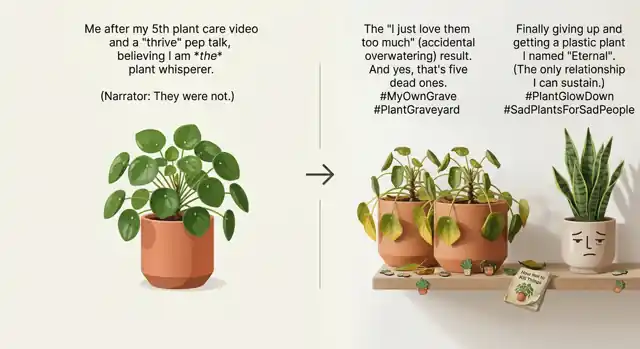
- Yellowing Leaves: This could indicate overwatering or lack of nutrients. Check your watering routine and consider fertilizing.
- Pest Infestations: Keep an eye out for aphids or spider mites. Treat with insecticidal soap or neem oil to eliminate pests safely.
- Leggy Growth: If your herbs are stretching towards the light, it might be time to relocate them to a sunnier spot.
Harvesting Your Indoor Herbs
Harvesting encourages new growth and improves the flavor of the remaining leaves. Use clean scissors to snip off a few leaves at a time, instead of taking a whole stem. For basil, pinch the top leaves regularly to promote bushier growth.
Final Thoughts
Growing indoor herbs is a fulfilling and rewarding endeavor that adds flavor to your meals and beauty to your space. Following these care tips will help you create a thriving herb garden right on your kitchen windowsill!