The Art of Layering: Elevate Your Plant Design
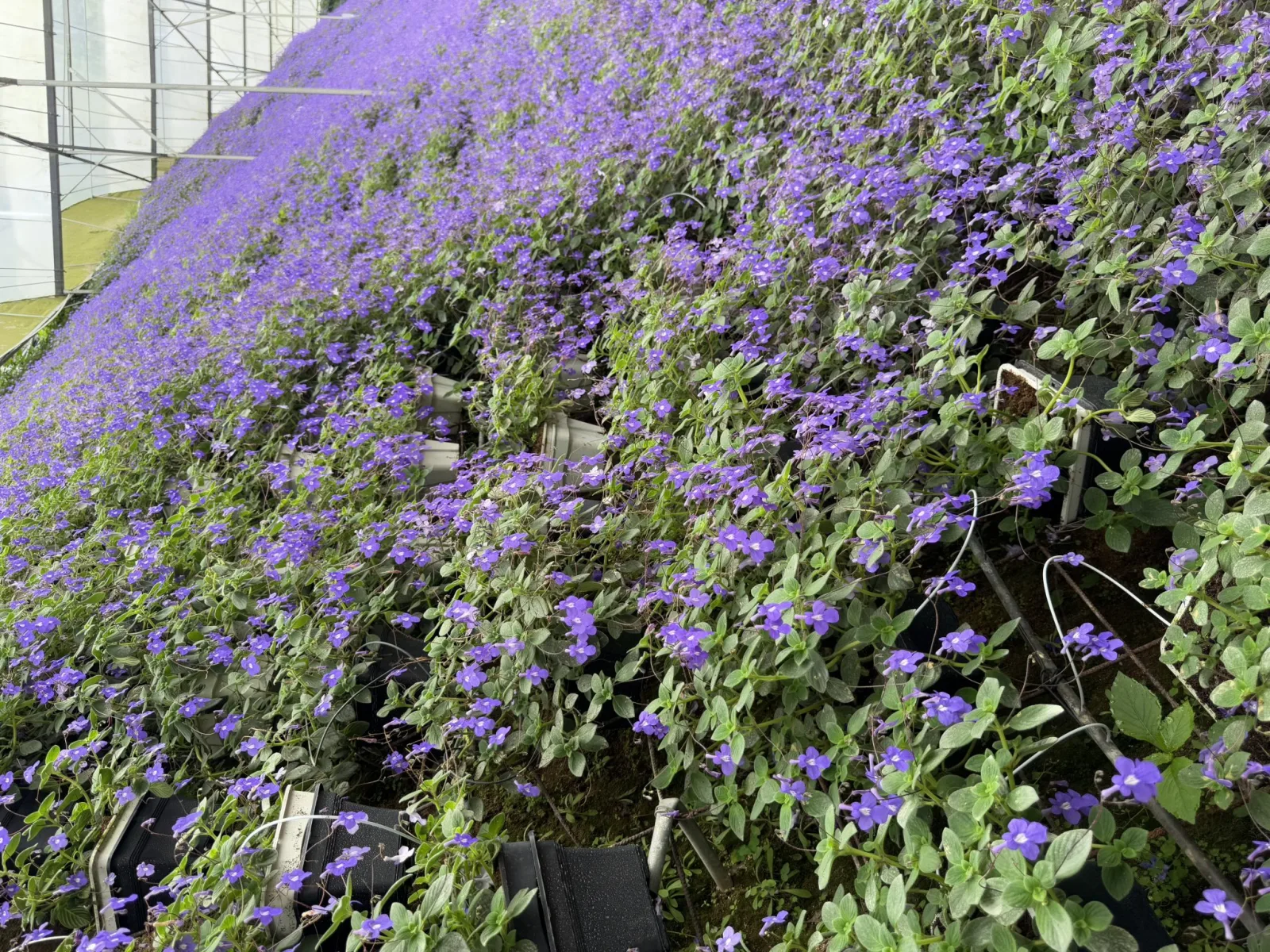
Learn the art of layering plants to create stunning depth and visual interest in your space.
Creating a lush and inviting green space goes beyond just choosing the right plants. The way you layer your plants is crucial in elevating your overall design aesthetic. Layering not only adds depth but also showcases the beauty of your plants in a stunning, dynamic way. Here’s everything you need to know about mastering the art of layering your houseplants.
Why Layering Matters
Layering creates a visual narrative that draws the eye around the room. When plants are arranged in levels, it breaks the monotony of flat spaces and adds life and vibrancy. Here are a few reasons to consider layering:
- Enhances Visual Appeal: Different plant heights and textures can create a lush, inviting environment.
- Maximizes Space: Layering makes efficient use of vertical and horizontal spaces in any room.
- Showcases Variety: By highlighting various plant species, you can showcase their unique characteristics effectively.
Selecting the Right Plants
The key to a successful layered design lies in selecting the right plants. Here are some tips for choosing plants that work well together:
- Consider Height: Use taller plants as backdrops, medium plants in the middle, and smaller plants in the foreground.
- Mix Textures: Combining plants with different leaf textures can create contrast and interest.
- Choose a Focal Point: Select one or two standout plants to serve as focal points in your arrangement.
Creating Depth and Dimension
Once you've chosen your plants, it's time to think about how to position them. Here are some strategies to create visual depth:
- Use Plant Stands: Elevate smaller plants on stands to create height variations within your design.
- Vary Pot Sizes: Utilize pots of different heights and sizes to add interest and layers to your arrangement.
- Layer Plants on Shelves: If you have shelving units, you can create a tiered effect by positioning larger plants on the bottom and smaller ones on top.
Color and Light Considerations
In addition to height and texture, think about color and light when layering plants:
- Complementary Colors: Choose plants that harmonize with your room’s color palette. Consider both foliage and bloom colors.
- Light Requirements: Ensure that all plants in your layering scheme thrive under the same lighting conditions to promote healthy growth.
Incorporating Accessories
Finally, don’t forget to incorporate accessories to enhance your plant design:
- Use Decorative Pots: Invest in stylish pots that complement the overall theme of your room.
- Include Decorative Elements: Items like rocks, driftwood, or decorative stakes can add a personal touch to your arrangement.
- Experiment with Lighting: Make use of uplighting or fairy lights to add a cozy ambience while ensuring your plants get enough light.
Final Thoughts
Layering plants effectively can transform a basic plant arrangement into a stunning visual feast. By considering height, texture, color, and even the pots you use, you can create a multi-dimensional green space that enlivens any room. Remember, the key to success is experimentation – don’t be afraid to rearrange and adjust until you find the perfect balance for your design.